
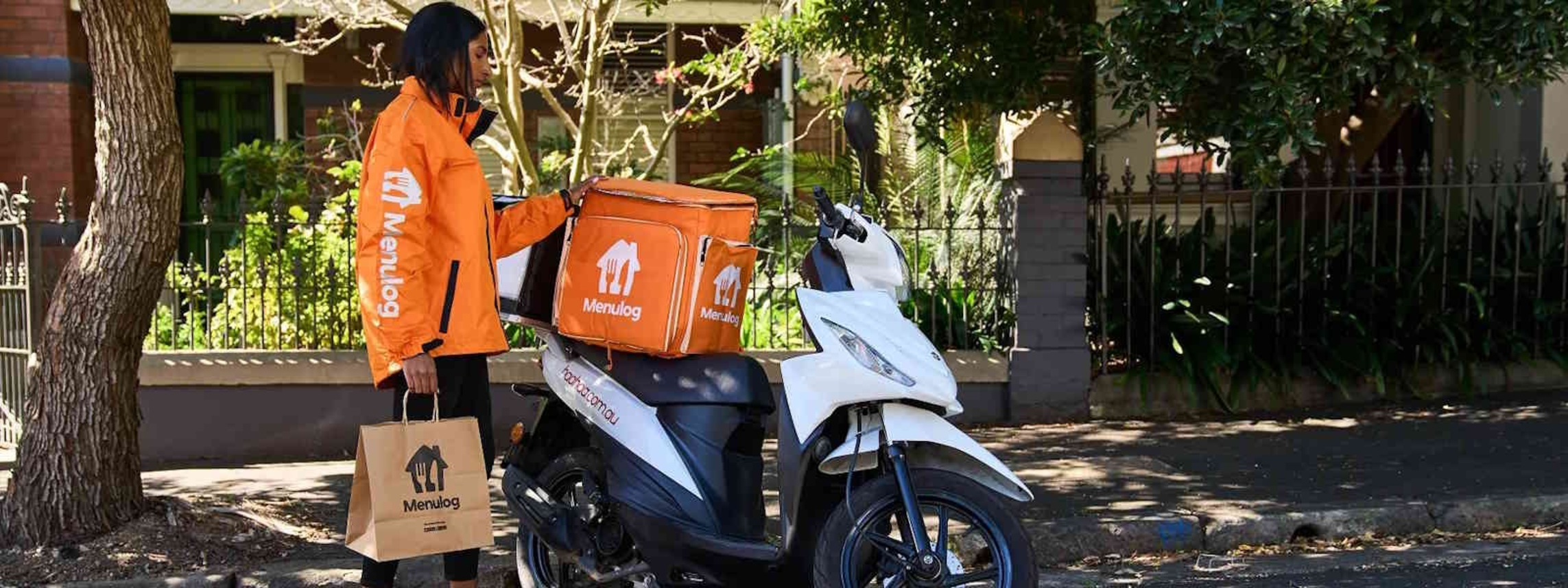
The end of Menulog: Is this the time to take back delivery?
Published on November 26, 2025
Now that Menulog has ceased operating, the food delivery market might just be at a tipping point.
Are restaurants happy to keep paying significant percentages to the two dominant players in the delivery space, Uber Eats and DoorDash, or will some take the opportunity to build (or reintroduce) their own delivery services? Or will a smaller or entirely new delivery business find a way to claim a bigger market share?
Consumers have certainly shown there is a huge appetite for food delivery; in fact, it's the only way some younger people get their ready-made food.
What happens if Uber Eats becomes such a dominant force that it can charge even more, leaving restaurants with little choice: either opt out of delivery or pay whatever the company asks?
As of yesterday, Menulog customers are being redirected to Uber Eats to order their food deliveries as part of a new commercial agreement that has raised concerns of a duopoly in the market.
From 12:01 am AEDT on Wednesday, after Menulog ceased operations, former Menulog customers have had to download and use Uber Eats to order their takeaways.
In a statement, Uber Eats said the agreement would "help ensure customers can continue to enjoy the restaurants they love".
"Restaurant partners and delivery people can maintain access to earning opportunities," the statement added.
"Through the agreement, Uber Eats will connect with Menulog customers, merchants and delivery people to provide fast-tracked onboarding and tailored incentives to support a smooth transition."
Duopoly now in the food delivery sector
On opening the app, Menulog customers will see a pop-up that directs them to the Uber Eats app to place their delivery order.
For some customers, this is already happening.
With Menulog departing Australia, the bulk of the market share is left to Uber Eats and its now biggest competitor, DoorDash.
Alex Veen, a senior lecturer in Work and Organisational Studies at the University of Sydney Business School, said there were only two large food delivery companies left in Australia.
"It very much looks like we're heading towards this duopoly-type situation in the food delivery sector," he told News Channel this month.
He added that customers would probably want to know if they would be paying more for food delivery services in a duopoly market.
"It's something that was inevitably going to happen at some stage," he said.
"These businesses, they're not charities; they come in, they want to get that market share, but they want to see a return on investment.
"We've already seen some of the prices going up."
To entice former Menulog couriers, restaurants and customers, Uber Eats has announced concessions and incentives to make the switch.
There are also offers specific to people in regional Australia, Uber Eats said.
Menulog's cessation in Australia comes the day after the Transport Workers' Union (TWU) reached an agreement with Uber Eats and DoorDash for minimum safety net pay rates for delivery drivers and riders.
The union said it was a "significant step" towards improving fairness in the gig economy.
Remaining delivery services should back the changes urgently, TWU national secretary Michael Kaine said.
"Hungry Panda and Easi now need to come to the table to ensure we get standards in place as soon as possible," he said.
*Source: ABC News