

The Two Calendars Every Hospitality Owner Should Run
Author: FoodPEEPS
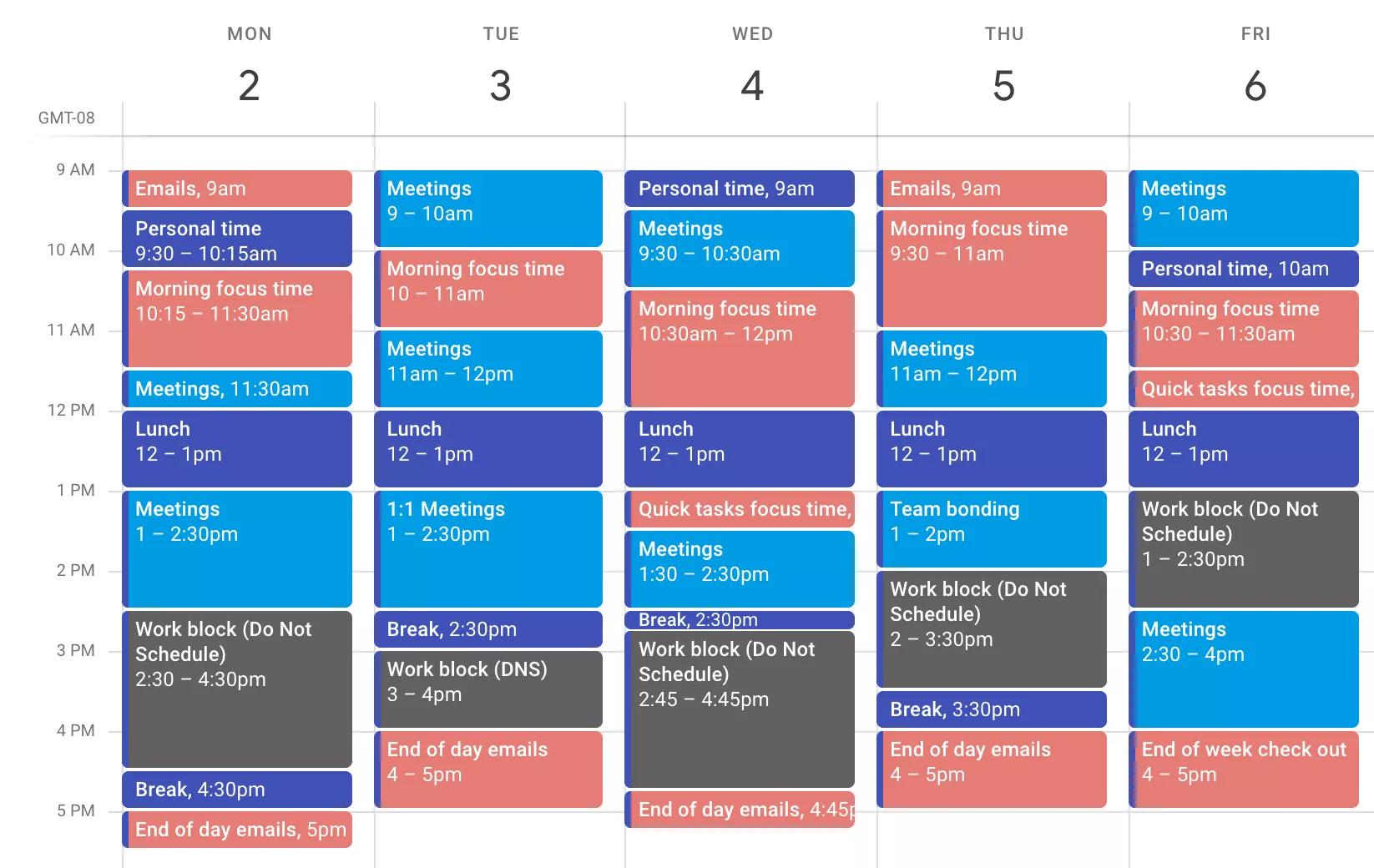
A useful mental model that productivity coaches teach hospitality owners: you don’t have one calendar. You have two. The operational calendar: services, deliveries, staff meetings, supplier visits, the daily rhythm of the venue. And the strategic calendar: finance reviews, planning sessions, leadership development, time to think.
Most owners run the operational calendar by default and try to fit the strategic one in around the edges. It almost never works.
Why the strategic calendar gets eaten
Operational tasks have an immediate cost when they don’t happen. The supplier turns up and there is no one to receive the order. The staff meeting gets cancelled and the team feels neglected. The lunch service gets short-staffed and customers complain. The pressure to do the operational work is constant and visible.
Strategic tasks have a delayed cost. Skip the finance review this week and nothing happens immediately. Skip it for six months and you are surprised by a cash flow crisis that has been building since BAS time. The pressure is invisible until it is overwhelming.
Without structure, the immediate always wins. The fix is structure.
The structure that actually holds
Three rules from the owners who run their two calendars successfully.
First, the strategic blocks are scheduled before anything else. The week starts with the strategic time placed in the calendar. Operational work fits around it, not the other way around.
Second, the strategic blocks happen somewhere else. Not in the venue. Not in the office above the venue. Somewhere physically separate: a quiet cafe, a home study, the local library because the moment the owner is on-site, the operational interruptions start.
Third, the strategic blocks have inputs and outputs. They are not "I’ll think about the business." They are "I will review the previous week’s P&L and identify three actions for the coming week," or "I will plan the next month’s social content," or "I will prepare for my one-on-one with the head chef." Without specific inputs and outputs, strategic time becomes vague time, and vague time gets cut.
Why this matters more than ever
In a hospitality environment where margins are tight, costs are climbing, and customer behaviour is shifting, the cost of an owner who never thinks strategically is higher than it has ever been. The venues navigating the current downturn well are universally run by owners who have made peace with the fact that being on the floor every night is not their highest-value contribution.
Their highest-value contribution is the work nobody else can do. And that work only happens if the time is protected.