
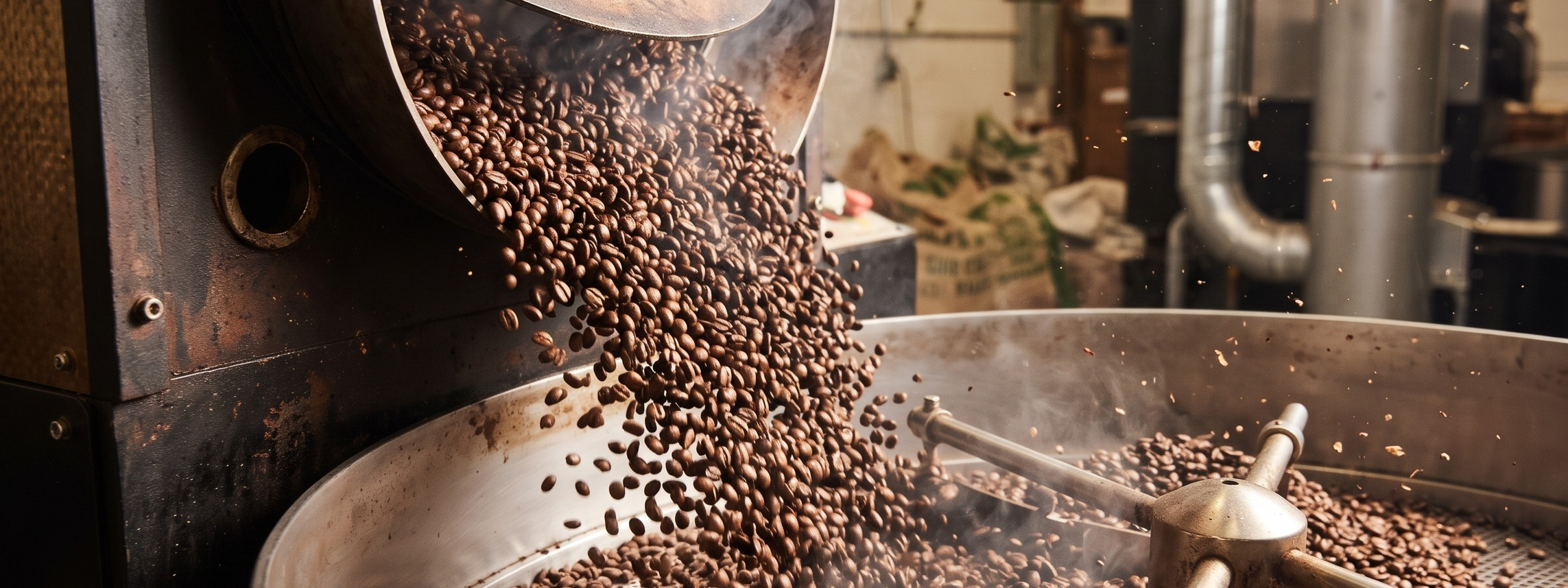
How coffee roasters can grow through foodservice
Author: FoodPeeps
For coffee roasters, cafés, hotels and restaurants can provide steady repeat orders, brand exposure and a path to new customers. Growth through foodservice also tests every part of the operation, not only the roaster.
More than one way to sell
Many roasters now run several channels side by side. They supply cafés under their own brand. They create private label blends for venues that want their own identity. They offer contract roasting. They also sell direct to home customers. Coffee Galleria and Gabriel Coffee both work across these channels.
Wholesale can double as marketing. A customer who enjoys a coffee at their local café may go on to buy the same beans for home.
Watch for bottlenecks
According to Donce Bozinovski of Jet Technologies, a large new account can strain packing, handling and dispatch long before it strains the roaster. Sudden jumps in volume can drive up labour hours. Frequent changes between blends, bag sizes and customer designs can slow everything down. Roasters should understand the real capacity and cost of the whole operation before chasing more volume.
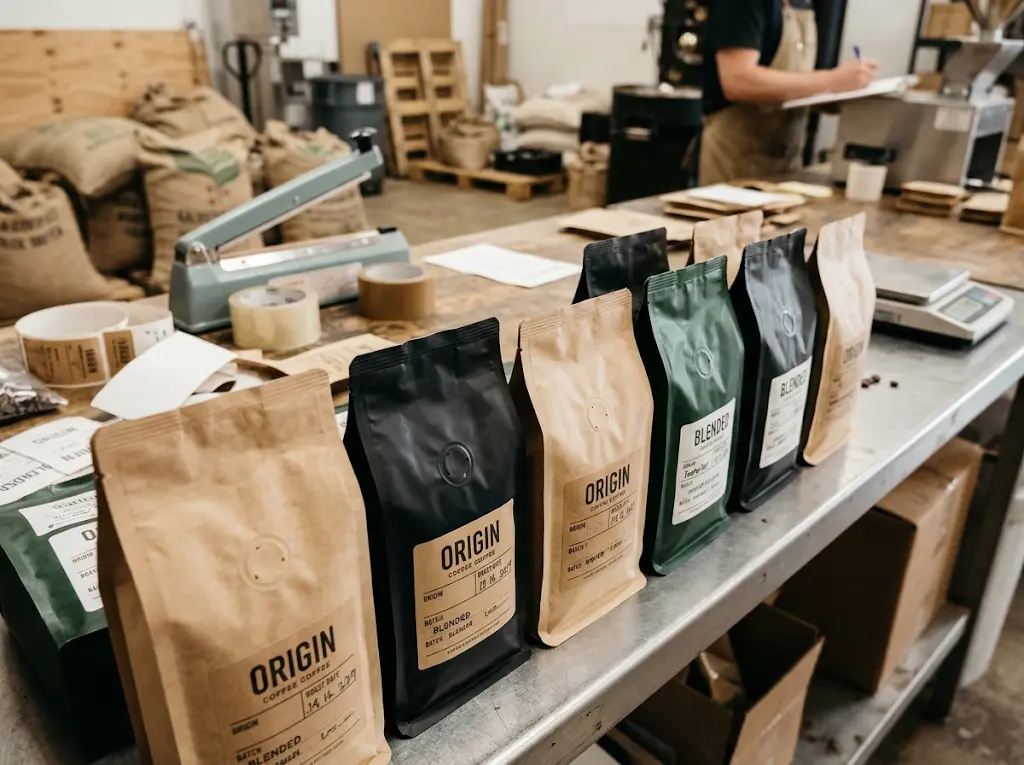
Packaging for each channel
• Foodservice: tough bags that are easy to handle and sized for venue use
• Private label: accurate, consistent presentation of the client's brand
• Direct to consumer: shelf appeal, storytelling and a resealable closure
Roasted coffee is sensitive to oxygen, moisture and light. A one-way degassing valve lets gas escape from fresh beans while keeping oxygen out. Good packaging cannot improve coffee but poor packaging can let it go stale, which matters when stock travels long distances.
Coffee Galleria, which manages nine packaging designs across its own and private label ranges, cut its packing time from about 10 to 12 hours down to 7 to 8 hours after working with Jet Technologies.
Plan for realistic growth
• Base equipment and print runs on realistic demand rather than best-case volume
• Choose equipment that can expand without paying for unused capacity
• Decide where your own brand should stay visible and where private label makes sense
• Remember what venues are buying: consistent quality, reliable supply and a brand that suits them