
Yield, Trim and Waste: The Produce Discipline Italian Kitchens Overlook
Author: FoodPEEPS

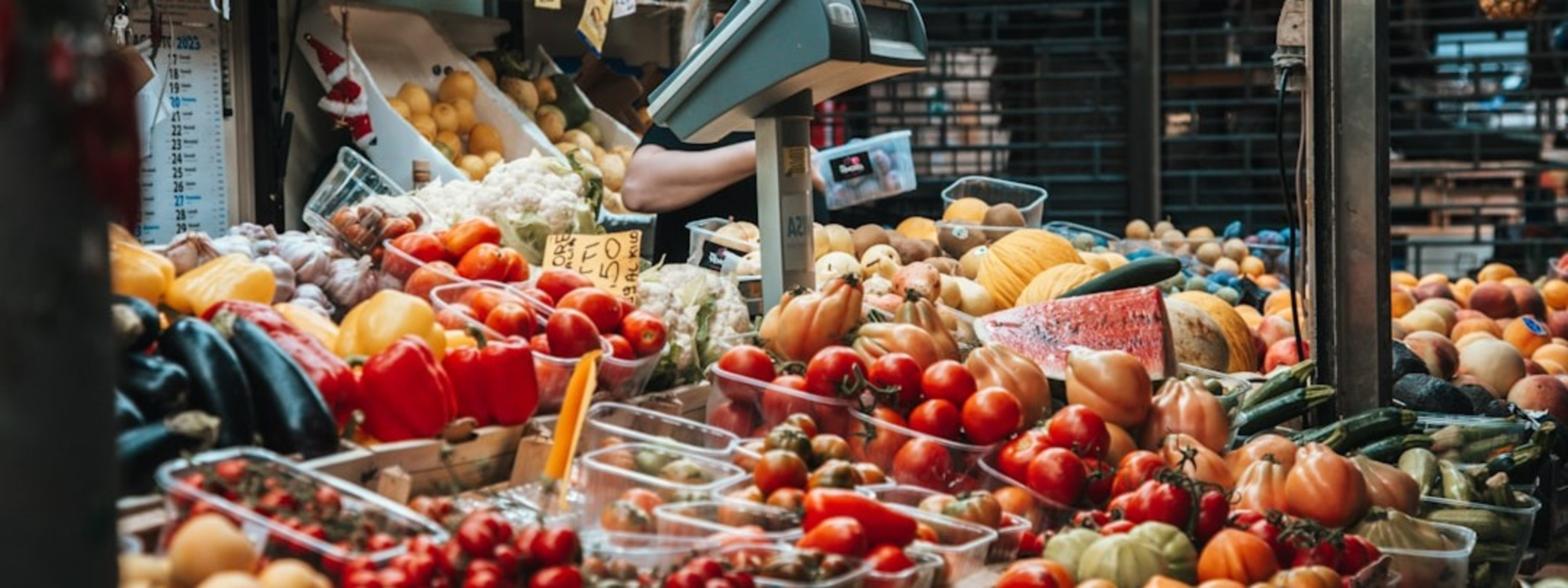
Italian cooking is built on produce: tomatoes, herbs, leaves, alliums, seasonal vegetables. That dependence is the cuisine’s great strength and a quiet financial vulnerability, because produce is the category most exposed to spoilage and yield loss and Italian kitchens, romantically attached to freshness, often track it least.
Across hospitality, food waste runs at 4–10% of food cost, and preparation waste is the single largest category in most commercial kitchens, well ahead of what customers leave on the plate. In a produce-heavy Italian kitchen, the proportion lost to trim and spoilage skews higher still.
Where the produce margin leaks
Three leaks recur. Yield: a case of tomatoes does not give the same usable weight in July as in February, yet recipes and ordering rarely adjust, so the kitchen quietly over-buys. Trim: heavy-handed knife work on herbs and vegetables, with usable off-cuts that could have gone into sugo, soffritto or staff meal going into the bin instead. And rotation: soft produce and herbs spoiling because cool-room discipline lapses by the third week of a busy season.
Why most kitchens never see it
RMIT research found only around 22% of food businesses measure their waste. The rest carry the cost invisibly, because the bin is emptied and the loss vanishes with it. An Italian kitchen that prides itself on fresh produce but has never weighed its trim is almost certainly wasting more than the chef would guess.
The fix, and the wider win
The interventions are unglamorous and proven: order against forecast and seasonal yield rather than habit, enforce cool-room rotation with date discipline, route usable trim into stocks and sughi rather than the bin, and weigh the waste weekly so the trend is visible. End Food Waste Australia puts the benefit-to-cost ratio of foodservice waste reduction at roughly 6:1, with most sites recovering costs within two years.
There is a brand dividend as well. Around 91% of consumers say they prefer venues actively reducing food waste, and a produce-driven Italian kitchen that genuinely uses the whole ingredient: nose-to-tail applied to vegetables, has a story that aligns perfectly with both the tradition and the modern diner. Handled well, waste discipline is a margin lever, a brand asset and a cultural fit all at once.