
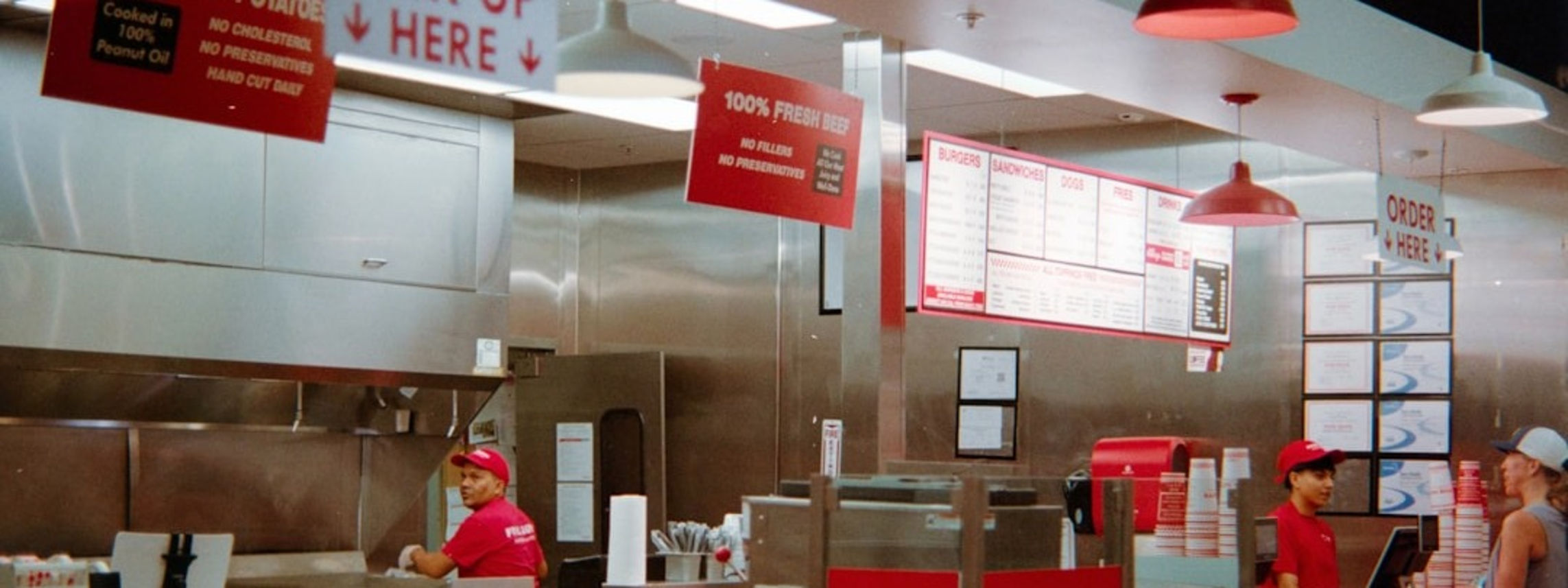
Australia’s Quick-Service Boom: Growth, Delivery and the Squeeze on Independents
Author: FoodPEEPS
While much of Australian hospitality has spent the last two years contracting, the quick-service sector has been doing the opposite. The broader fast food and takeaway industry reached around $29.7 billion in 2025-26, and the quick-service segment is forecast to grow strongly through the rest of the decade, driven by convenience-led consumption, digital ordering and a wave of international brand entries. In 2025 the sector added the strongest annual count of net new outlets in a decade.
Why quick feed is growing while others shrink
The forces working against full-service venues are working for quick service. Cost-of-living pressure has not stopped Australians eating out, it has pushed them toward smaller, more frequent, more affordable indulgences, which is precisely the quick-service proposition. Digital ordering has expanded the addressable market beyond the dine-in counter: online orders across major chains rose double digits year-on-year, and delivery platforms have turned every venue into a potential kitchen for a much wider catchment.
Growth is not the same as easy
A growing market attracts competition, and the sector is crowding fast. Global chains continue to enter Australia, major franchises are passing food and wage inflation through to menu pricing and bundled deals, and supermarket ready-meals and cafe-style formats are capturing daytime occasions that used to belong to fast food. For independents in particular, a rising tide does not guarantee a lift, chains expand faster because they have superior access to capital, integrated technology and brand recognition, while independents still hold the majority of outlets but compete on differentiation and local connection.
What the data says operators should focus on
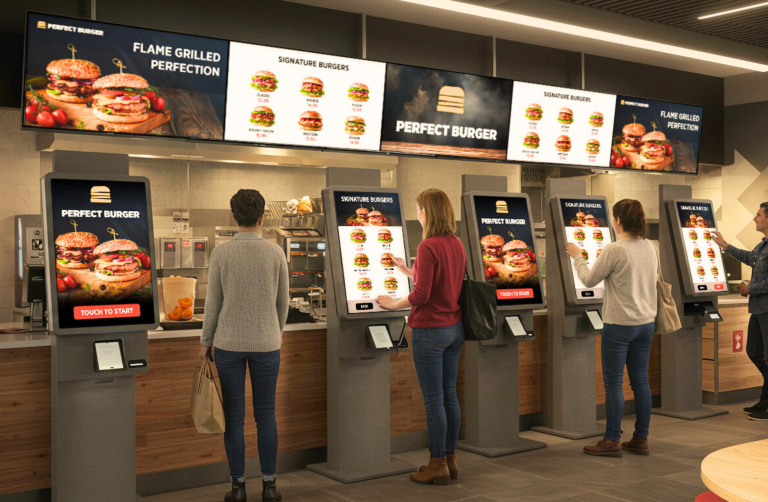
The structural trends point in clear directions: digital ordering and kiosks are becoming table stakes rather than a point of difference; delivery-optimised and lower-footprint formats reduce real-estate cost and enable faster expansion; and menu innovation toward health-conscious and plant-based options is broadening the customer base. The sector is genuinely growing, but the growth rewards operators who treat speed, systems and digital integration as the core of the model rather than as add-ons. Volume alone has never been a strategy in quick service; it is the operations underneath the volume that decide who profits from the boom.