

Speed Without Waste: The Operational Tightrope of Quick Service
Author: FoodPEEPS
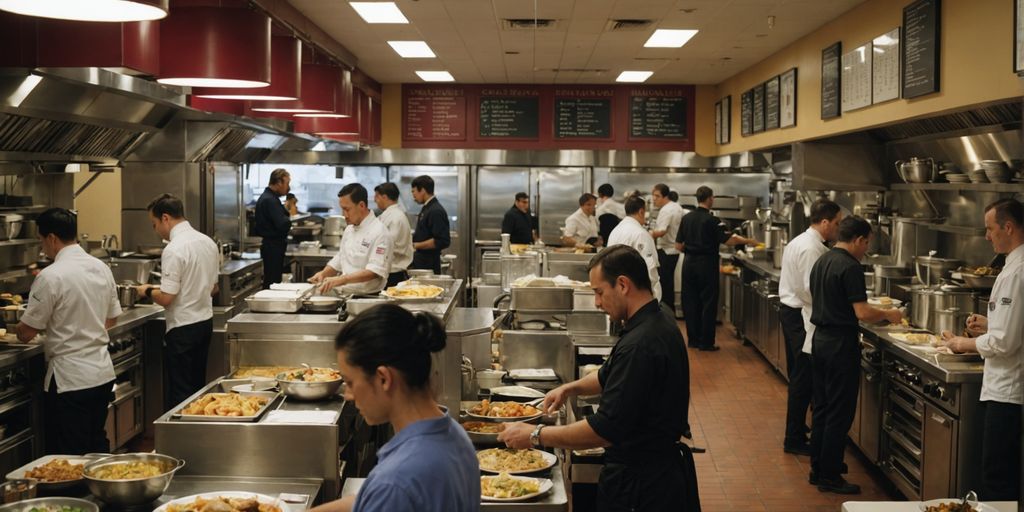
Quick service lives or dies on two numbers that pull against each other: speed and waste. Customers choose the format because it is fast, which pushes operators to pre-prepare and hold product so nothing slows the line. But product held and not sold is waste, and in a model running on thin per-item margins, waste is the difference between a profitable site and a marginal one.
Why the QSR model concentrates waste
Demand in quick service swings sharply and quickly: a lunch rush, weather, a nearby event, a delivery-platform surge can move volume twenty per cent with little warning. To protect speed, kitchens hold cooked or prepped product against forecast demand. When the forecast is high and the rush is not, that product is discarded. Across hospitality, preparation and over-production are the largest waste categories, and a hold-to-serve model amplifies exactly that.
The instructive point is that this waste is a systems problem, not a customer problem. The lever is forecasting and hold discipline, not portion-shaming the people in the queue.
The four levers that move the number
When menu prices cannot rise and competitive intensity in quick service makes that difficult, profit has to come from operations. Four levers carry most of the gain. Hold-and-prep discipline tied to live demand rather than a static daypart plan. Labour efficiency measured as revenue per labour hour, not headcount. Menu simplification, because fewer SKUs mean tighter prep, faster throughput and less holding waste. And repeat custom, because a returning customer costs a fraction of an acquired one, and consistency is what brings them back.
Why measurement is the unlock
Only around 22% of food businesses track their waste. In a format where margins are measured in cents per item, the unmeasured waste is often the entire difference between a site’s success and its failure. The operators winning in quick service are not the ones moving fastest in the kitchen; they are the ones who have made speed and waste visible at the same time, and tuned the system so that going faster does not automatically mean throwing more away.