
Reading the 2026 Cafe Trends as a Business, Not a Menu
Author: FoodPEEPS
Salt bread, cold foam and the day-to-night pivot aren't just what customers are ordering, they're signals about margin, labour and footfall.
Every year the trend pieces roll out telling diners what to eat. For operators, the more useful question is what those trends reveal about running a profitable venue:
Where the margin is, where the labour goes, and what's pulling people through the door. Here are the five defining Melbourne cafe trends of 2026, read the way a business owner would.
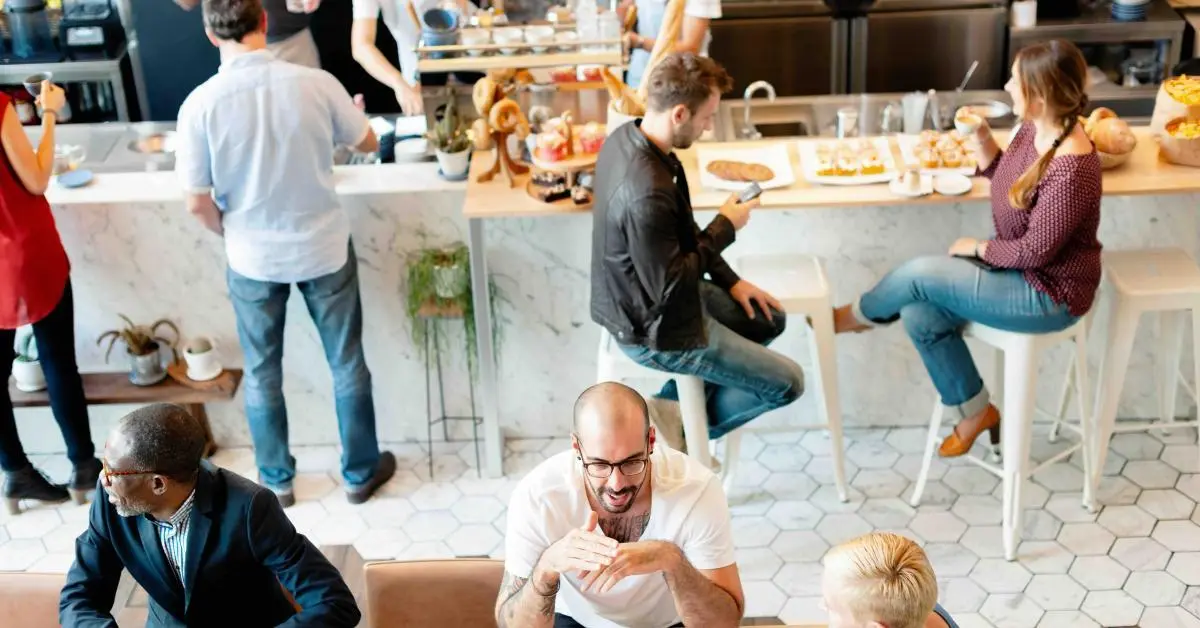
Caption: A busy cafe counter mid-service
Salt bread: a margin lesson in a bread basket
Shio pan's appeal for operators isn't flavour, it's economics. Built from cheap, shelf-stable staples, endlessly variable so one dough supports a dozen SKUs, and commanding a premium for what it costs to produce. Low input cost, high perceived value, minimal waste.
The operator takeaway: Look for hero items with low cost-of-goods and high flexibility. One base preparation that spins into many options keeps ordering simple and margin healthy.
Cold foam coffee: premiumising the cup
The Mont Blanc wave shows how much more customers will pay for a reinvented coffee. A dessert-flavoured cold foam adds cents of ingredient cost but can lift the sell price by a dollar or two. The catch is throughput: layered drinks are slower, so weigh the margin against speed at peak.
The operator takeaway: A signature drink can lift average spend per head, but time each one. If it adds 40 seconds at the 8am rush, cost that against the extra revenue before committing.
The day-to-night pivot: sweating the lease
Cafe-into-wine-bar is a real-estate play. Rent and fit-out are fixed whether you trade eight hours or fourteen, so an evening service spreads those costs across more revenue without a second premises, but it needs a licence, evening-capable staffing and a genuinely different offer.
The operator takeaway: If rent is your biggest line item, extending trade is worth modelling. Run the numbers on licensing, evening wages and expected covers first.
Queue culture: marketing you don't pay for
A willingness to queue is free marketing. One signature item people will wait for generates social content, word of mouth and footfall no ad budget buys. The move isn't chasing virality across the menu, it's engineering one or two distinctive heroes and letting the line promote them.
The operator takeaway: Concentrate your ‘wow’ into one or two signature items rather than spreading it thin. A single queue-worthy product does more marketing work than a whole menu of good ones.
Small luxuries: the affordability sweet spot
Tight household budgets are counter-intuitively good for cafes. As diners pull back from $50 restaurant meals, the $12 pastry and $6 coffee become the affordable treat that still feels indulgent, provided pricing stays in that accessible-treat band.
The operator takeaway: Position hero products as affordable indulgences, not cheap eats. The winning price feels like a treat without tipping into a splurge a budget-conscious customer will skip.
How are you adapting your menu or hours to these shifts? FoodPEEPS wants to hear from operators get in touch.