
Coffee Costs Are Rising Fast: What Bean Price Volatility Means for Your Menu
Author: FoodPEEPS
Green coffee prices have more than doubled in two years. Here's what's driving it, and how operators are protecting margin without alienating regulars.
Every cafe owner has felt it this year: the invoice from the roaster keeps climbing, and it isn't a blip. Benchmark green coffee prices have surged over 100% since April 2024, from roughly $2 a pound to record highs above $4.27 by April 2025, and they've stayed near those levels since. Three Blue Ducks' CEO has put wholesale cost rises at 15% over the past 12 months and around 40% over three years. The flow-through is blunt: cafes still charging $5.30–$5.50 a cup are, by several operators' own accounts, making a loss or breaking even on every single coffee sold.
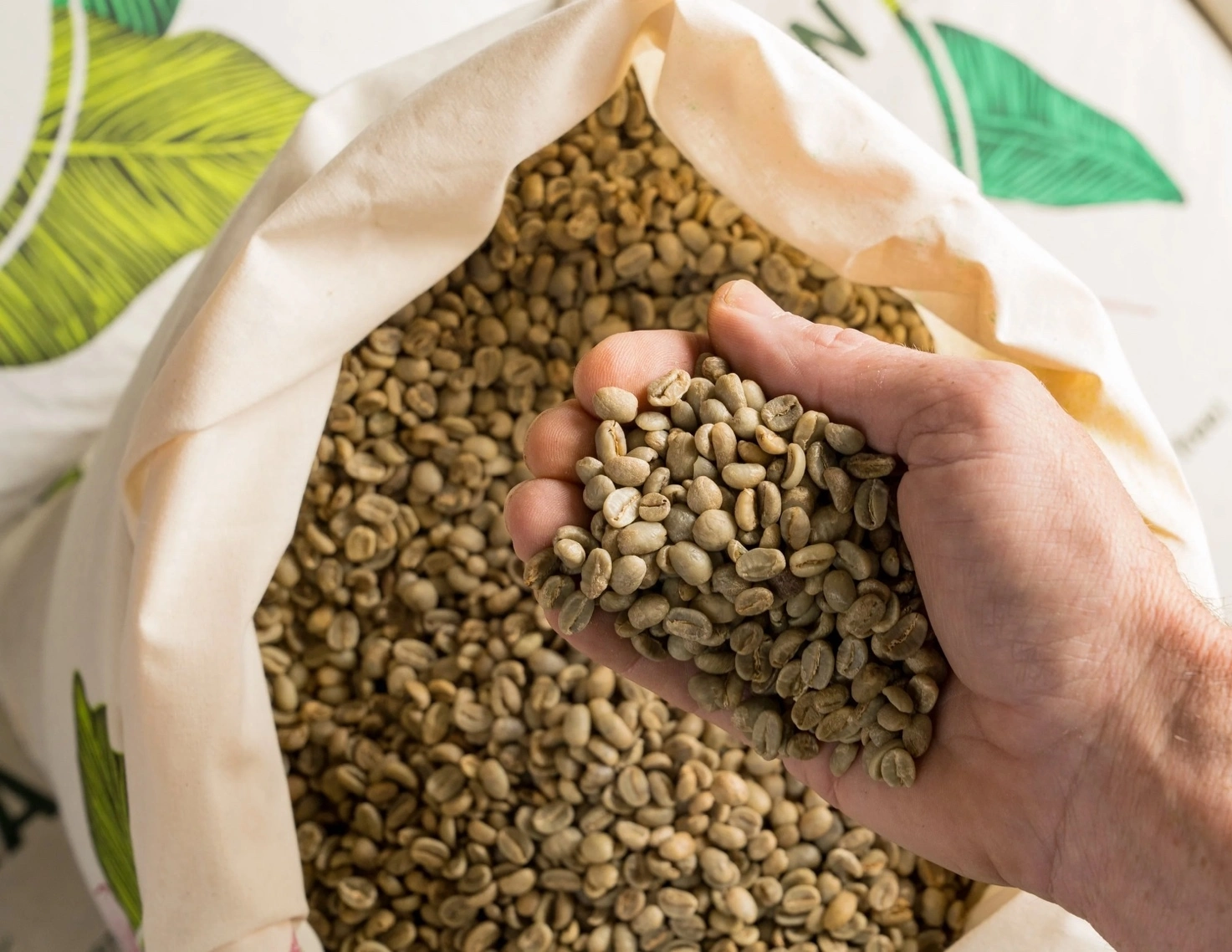
Caption: The margin squeeze starts at the green bean, long before it reaches the cup.
Why the bean got this expensive
It's a stack of pressures landing at once rather than one clean cause: a weaker Australian dollar making every import more expensive, poor growing seasons in key regions, and speculative trading swings tied to global trade tensions. None of these are within an individual operator's control, and none look like they're reversing quickly, industry voices are now talking about the price of a coffee needing to reach $6.50–$7 in 2026 just to hold a sustainable margin.
Know your real cost before you reprice
Green bean cost is only part of the cup. Milk, the cup and lid, wastage, and labour all move too. Before changing a single price, cost the actual cup you sell, including the oat milk upcharge nobody remembers to account for. So that any increase is based on your numbers, not a headline about the industry.
The operator takeaway: Work out your true cost-per-cup at least quarterly while bean prices stay volatile, a price that covered your margin in January can quietly be underwater by June.
Reprice in steps, with a reason attached
Customers tend to accept a coffee price rise when it's explained; they resent one that just appears overnight. A short note on the counter or a line from the barista, "bean costs are up across the industry, we've adjusted 30 cents", does more to protect loyalty than silence ever will. Smaller, more frequent adjustments are generally easier for regulars to absorb than one large jump held off too long.
Look for ways to hedge, not just pass on
Talk to your roaster about locking in supply or price for a fixed period, and ask whether a blend less exposed to pure high-grade arabica gives you more headroom without a noticeable drop in the cup. Some operators are also using the moment to review the whole supplier relationship, not just the invoice line.
How is your venue handling the coffee cost squeeze? FoodPEEPS wants to hear what's working, get in touch.
(General guidance only, not financial advice. Confirm current wholesale pricing with your own roaster and supplier.)